A workshop in Britain is never quite the same place twice. In February it is cold enough that glue skins over slowly and your fingers lose feeling on the plane. By July the same bench is sticky, the doors have swollen in their frames, and the finish you brushed on sets before you can lay it off properly. None of this is a problem if you plan around it. Matching the job to the season — rough work and outdoor builds while the air is warm, indoor joinery and maintenance when it is not — saves timber, saves rework, and keeps the year productive.
Temperature and humidity do more than you think
Timber is hygroscopic: it takes on and releases moisture as the air around it changes. Across the grain it moves noticeably; along the grain it barely moves at all. That single fact explains most of the problems people blame on bad luck — the tabletop that splits in a centrally heated room, the drawer that jams in August, the door that drops its gap by autumn.
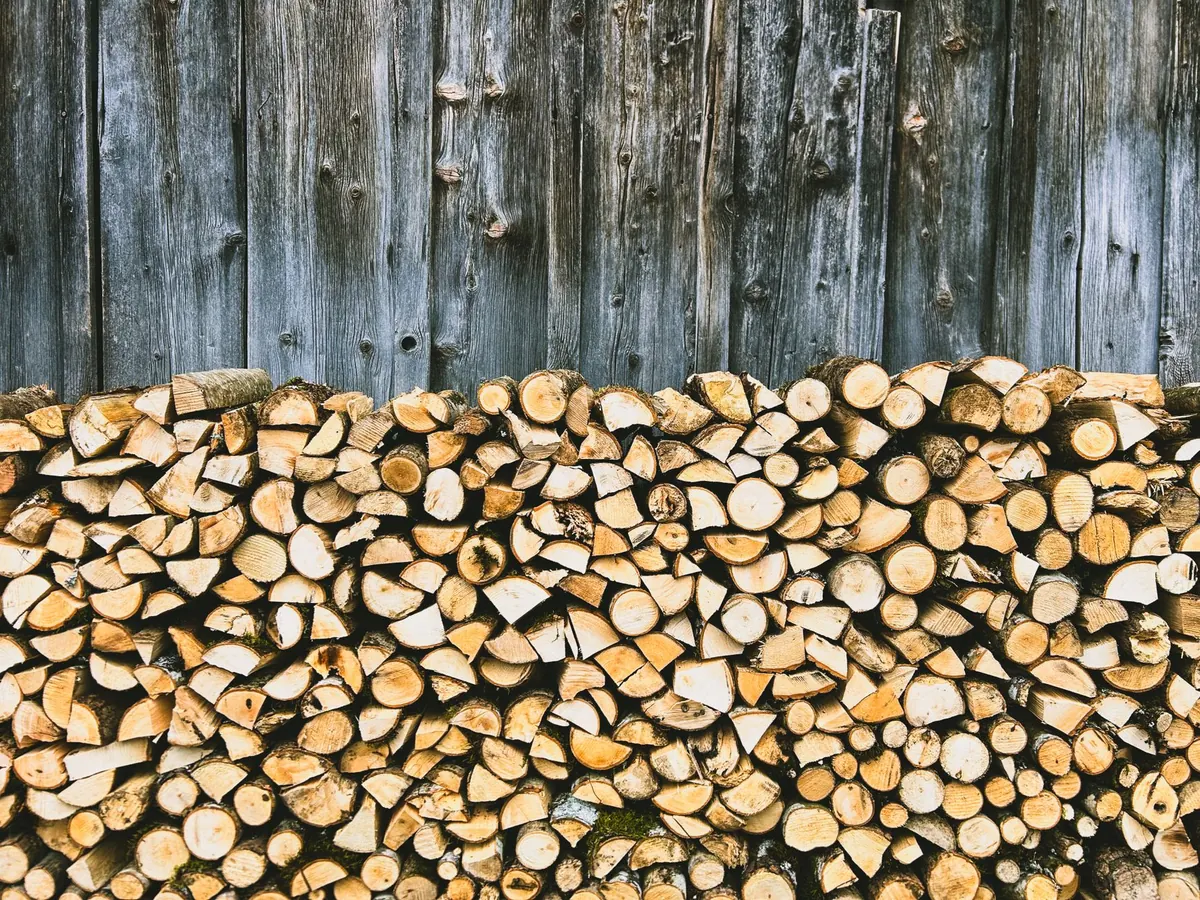
Indoor relative humidity in the UK commonly runs from around 40 to 60 per cent, but heated homes in winter can drop well below that, while a damp summer workshop can sit higher. Kiln-dried stock typically arrives somewhere between 8 and 12 per cent moisture content; air-dried boards are wetter again. Before cutting anything to final size, bring the timber into the room it will live in and leave it for a week or two. Stack it off the floor on bearers, sticker it if you are layering boards, and give it air on all faces.
Wood will move whether you plan for it or not. The only decision left is where you allow it to happen.
Glues and finishes follow the same logic. Most PVA adhesives stop behaving reliably near freezing and cure slowly below about 10°C, so read the tin before a winter glue-up. Oil finishes tolerate cool workshops well; varnish and water-based products want warmth, airflow and a surface that is not stone cold.
Spring: finishing, fitting and garden repairs
Spring gives you rising temperatures and moderate humidity — close to ideal for finishing. If you built a piece over winter, this is the moment to sand it properly and get oil or wax on it, with the workshop door open for ventilation. Warmer air also means faster drying between coats, so thin coats applied patiently beat one thick flood every time.
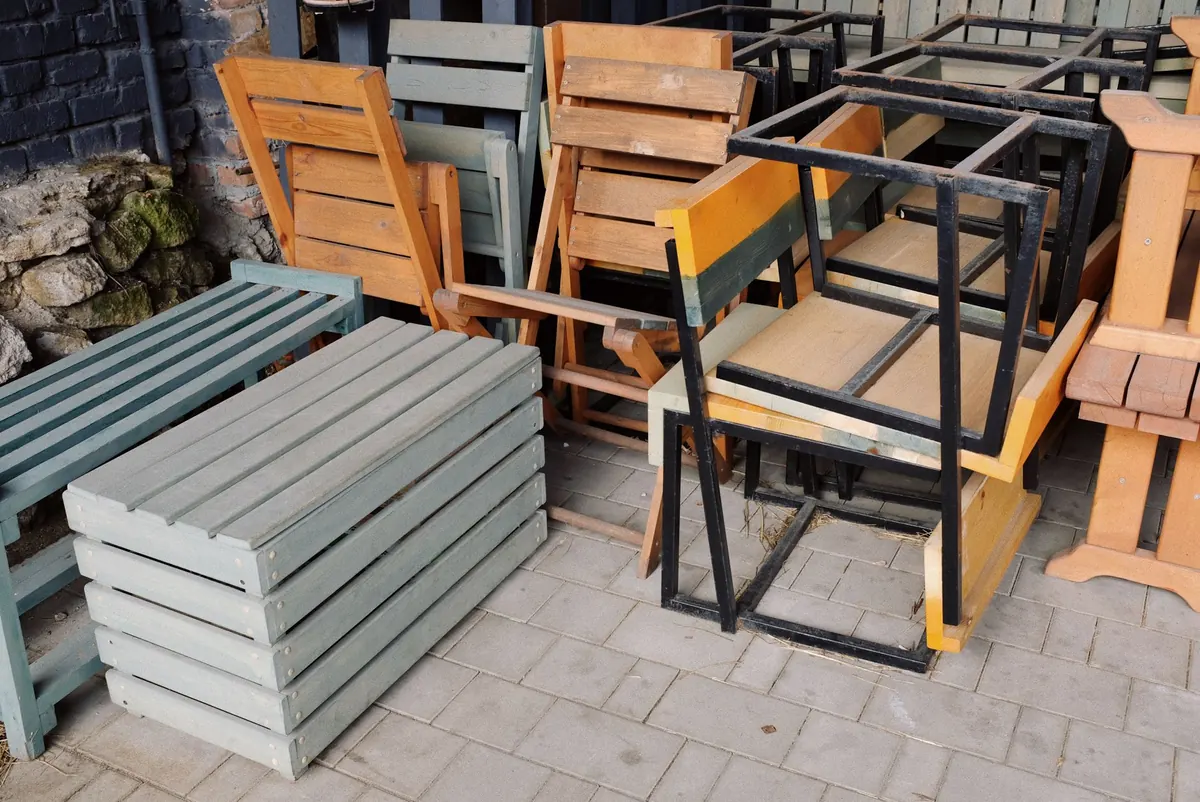
Outdoors, spring is repair season. Winter has done its work on gates, fences, decking and garden furniture, and the damage is now visible:
- Check gate and fence posts at ground level, where rot starts, and splice in new sections of oak, sweet chestnut or larch rather than patching with softwood.
- Re-tighten decking fixings and replace any that have corroded or pulled proud.
- Sand back and re-oil garden furniture once the wood is genuinely dry — not after a wet week.
- Touch in exterior paint or stain on a dry day with a dry forecast for the next day or two.
Summer: outdoor builds and green timber
Long evenings make summer the season for raised beds, planters, pergolas, compost bins, sheds and benches. Green oak and air-dried timber are wonderful for these jobs, but they shrink and twist as they dry, so design for movement: drawbored mortise-and-tenon joints rather than glue, floating panels rather than captive boards, and a little clearance where pieces meet. Use stainless or galvanised fixings with oak, since tannins and steel are not friends.
Working in the heat
Heat brings its own complications. Glue grabs quickly, so assemble in shade and dry-fit everything first. Finishes flash off before you can spread them evenly — work in the early morning, use smaller batches, and avoid direct sun on a hot surface. Doors and drawers fitted tight in July will rattle in January; if you want them to run smoothly year-round, leave a hair more clearance than feels comfortable.
Autumn: the workshop reset
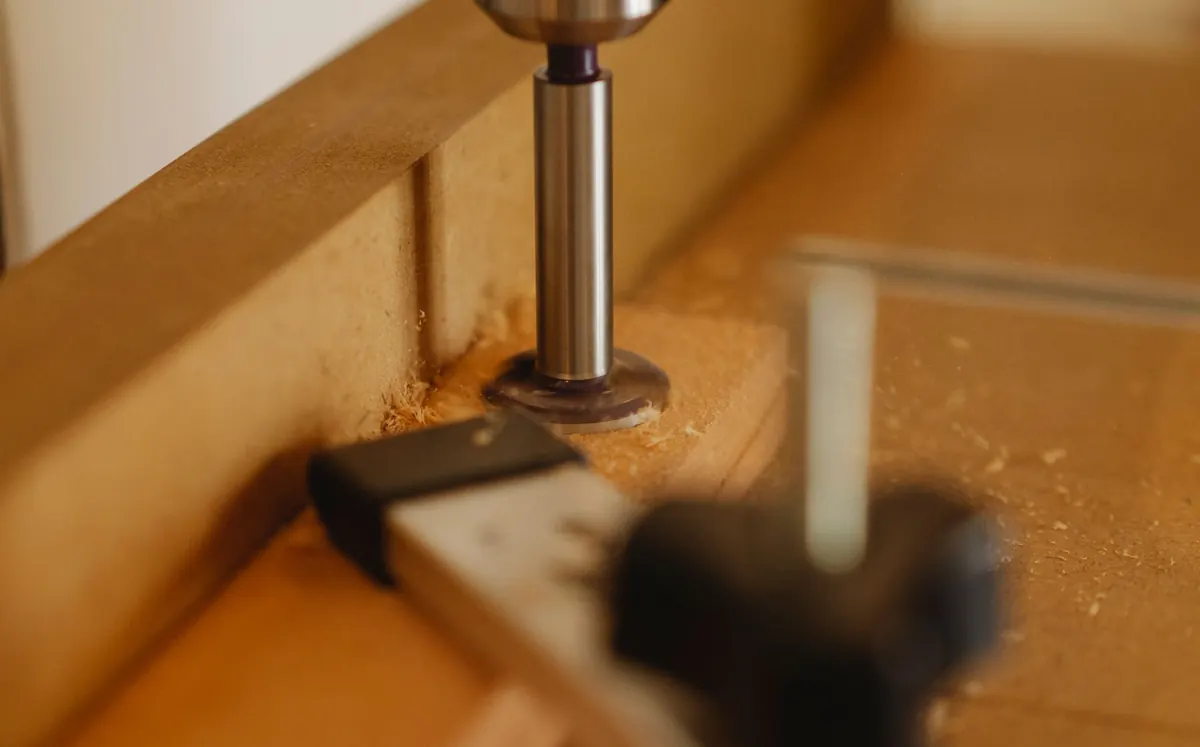
As the garden slows down, shift your attention indoors. Autumn is the best time for the jobs nobody enjoys but everybody needs: cleaning dust extraction, replacing bags and filters, truing up machine tables, sharpening chisels, plane irons and saw blades, and sorting the piles of offcuts that have quietly taken over the floor.
Rust season is coming. Damp air and cold cast iron are a poor combination, so wax machine beds and tables, wipe hand tools with camellia oil, and keep a couple of silica gel packs in tool drawers. Buy timber now for winter projects and let it acclimatise in the workshop rather than dragging it in from a cold shed in December. And start Christmas gifts early: end-grain chopping boards, boxes and small stools all take longer to glue up, flatten and finish than anyone remembers.
Winter: indoor joinery and careful glue-ups
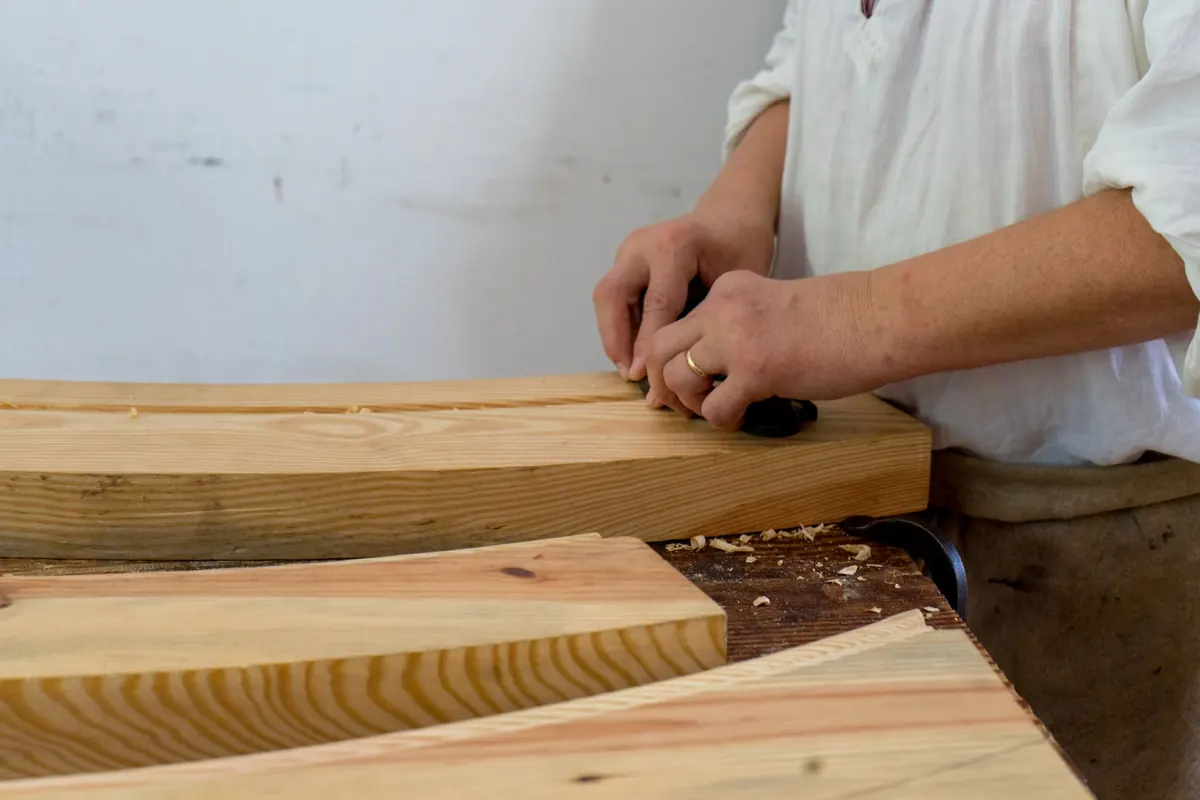
Short days are made for bench work: dovetails, drawer fitting, chair repairs, small boxes, and the fiddly detail that summer outdoor jobs never allow. If you heat the workshop, heat it before you glue, not while you glue — intermittent heating and cold metal invite condensation. Bring adhesives indoors overnight and check their minimum working temperature.
Timber coming in from a cold shed will sweat, so unwrap it gradually and let it settle for a day or two before machining. Because heated homes pull moisture out of furniture, build with movement in mind: slotted tabletop buttons, frame-and-panel doors, and drawers that are a fraction looser than you would set them in June. For finishing, oils and waxes cope well with a cool workshop; leave varnish and water-based products for a warmed space.
A season-by-season maintenance checklist
- Spring: inspect gates, fences and decking; re-oil garden furniture; touch in exterior finishes after a dry spell.
- Summer: clean and oil garden tools; clear extraction filters and hoses; check the workshop roof, gutters and ventilation.
- Autumn: wax machine tables, sharpen everything, replace extraction bags, store timber on bearers, buy stock for winter.
- Winter: warm the shop before glue-ups, check for rust weekly, restock glue, abrasives and finishes, service hand tools.
Work with the year, not against it
Keep two running lists on the workshop wall: one for dry-day outdoor jobs, one for indoor projects that do not care about the weather. Before you start anything, check the tin — glue, oil, paint — and the moisture in the timber. Buy a cheap hygrometer and you will stop guessing.
Wood dust and solvent finishes both deserve respect, so extract at source, wear a suitable mask, and follow the safety information on the product. Beyond that, the rhythm is simple: build outdoors when the air is warm, assemble and finish when it is mild, and use the cold months for joinery, sharpening and planning the next year's projects.
Photo: Brian Magill / Pexels